MARTIA COLLECTION
MARTIA COLLECTION — THE RED PLANET ON YOUR WRIST
Scientific introduction:
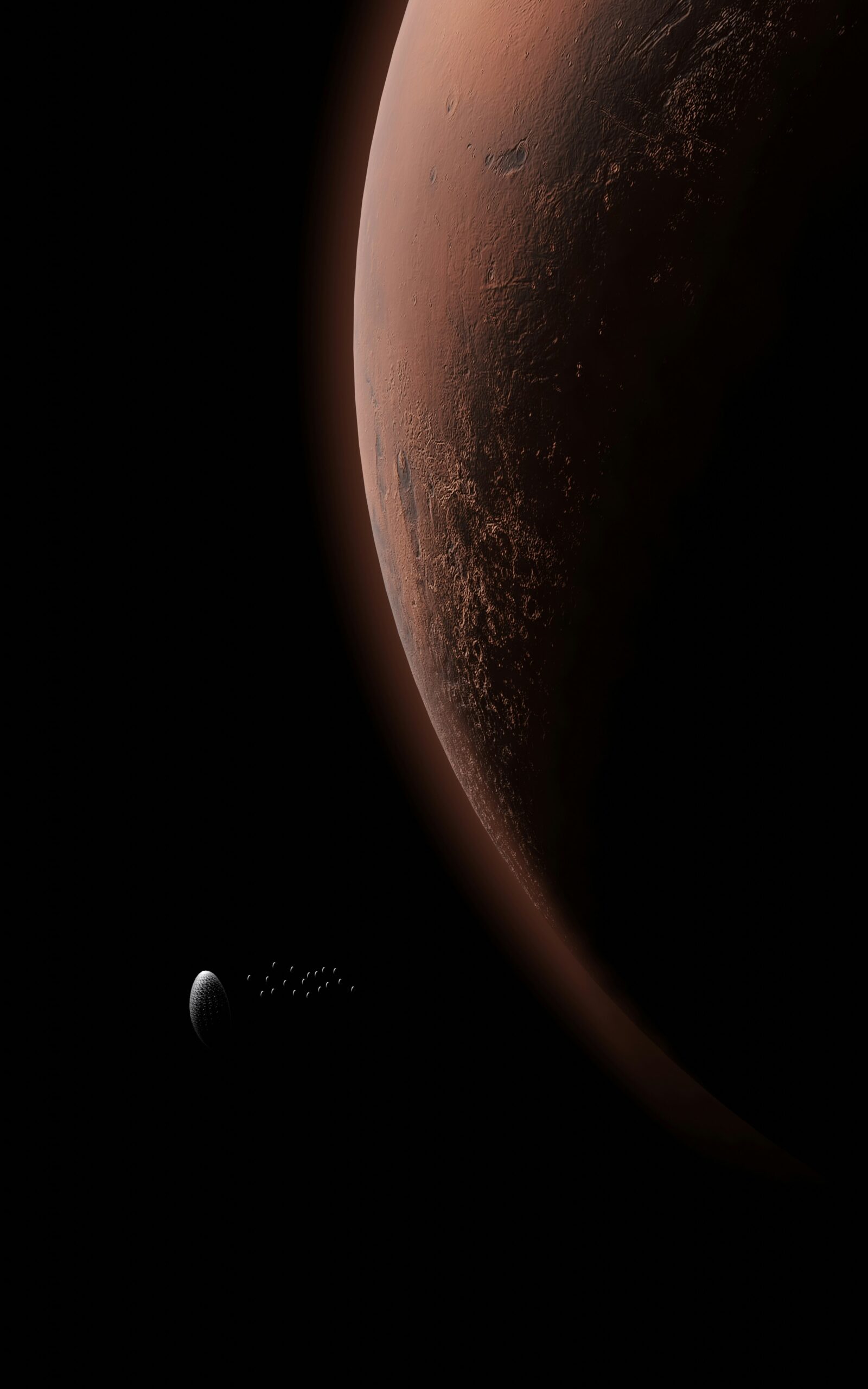
In 2011, in the Sahara Desert, meteorite hunters discovered an ordinary-looking black stone. Analysis revealed an extraordinary object: NWA 7034, quickly nicknamed "Black Beauty." Dated to around 4.4 billion years old, it is the oldest Martian meteorite ever identified on Earth.
How does a fragment of Mars end up in the Sahara? Through a violent mechanism: an asteroid strikes the Martian surface with enough force to eject rocks beyond the planet's escape velocity (around 5 km/s). These fragments then drift through space for millions of years before Earth's gravity captures them. The composition of these shergottites — basalt rich in pyroxene and olivine — has been confirmed through direct comparison with data from NASA's Curiosity rover, active on Mars since 2012.
SÉLÉNÉ COLLECTION
SÉLÉNÉ COLLECTION — THE SILENT GLOW OF THE MOON
Scientific introduction:
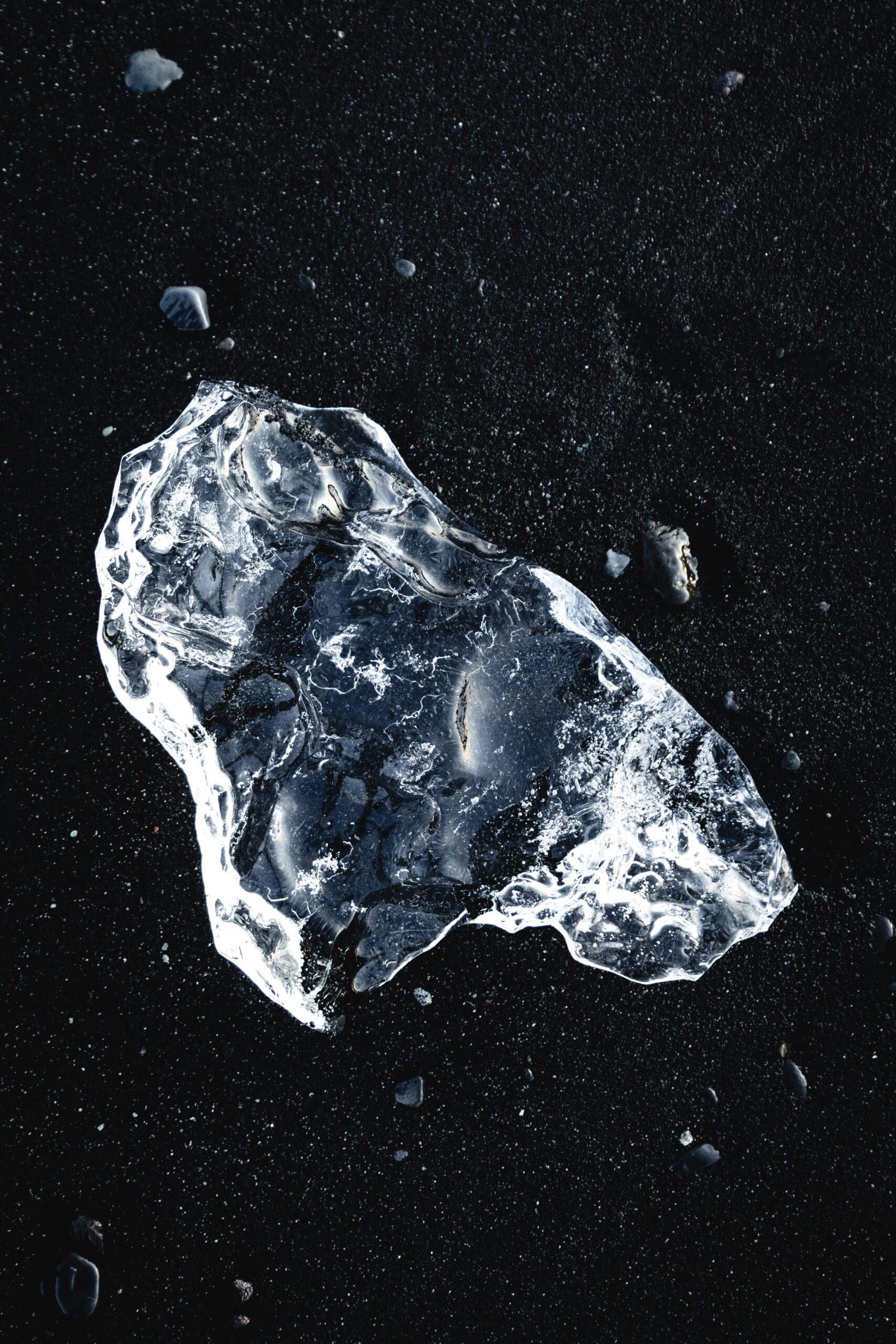
The Moon is the most thoroughly studied celestial body after Earth. Between 1969 and 1972, the six Apollo missions that landed on the Moon brought back 382 kilograms of lunar samples. But the Moon continues to send us its own messengers: lunar meteorites, ejected from the lunar surface by asteroid impacts.
NWA 12691, discovered in the Sahara in 2017, is the largest known lunar meteorite at 13.5 kilograms. It is a breccia — a composite rock formed by the fragmentation and re-cementation of pre-existing rocks under repeated impacts. Its composition matches the samples returned by Apollo: dominated by anorthosite, a rock rich in plagioclase (calcium feldspar) that makes up the lunar highlands and gives them their pale gray hue, visible to the naked eye from Earth.
SIDÉRAL COLLECTION
SIDÉRAL COLLECTION — THE HIDDEN GEOMETRY OF ASTEROIDS
Scientific introduction:
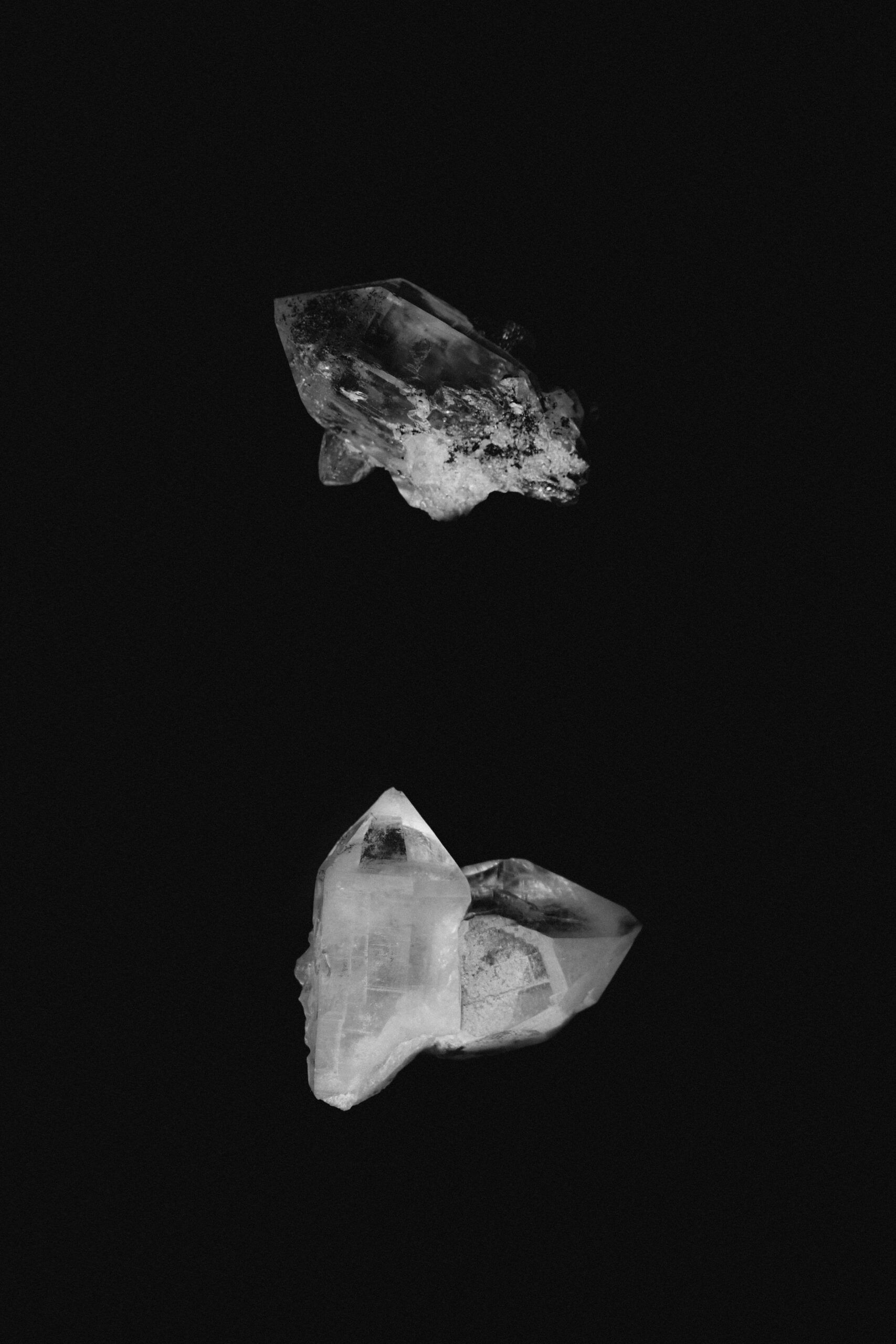
The Gibeon meteorite is a siderite (metallic meteorite) composed mainly of iron and nickel. It comes from the core of an asteroid that differentiated more than 4 billion years ago, at the dawn of the solar system. Fragments of this meteorite fell in what is now Namibia roughly 30,000 years ago, and were first scientifically described in 1836.
What makes Gibeon famous around the world are its Widmanstätten patterns. These fascinating geometric structures form when two iron-nickel alloys — kamacite and taenite — crystallize separately during an extraordinarily slow cooling process: between 1°C and 100°C per million years. This process, which can only happen in the weightless core of an asteroid, takes hundreds of millions of years. The result: utterly unique interwoven patterns, impossible to reproduce by any earthly process. Every slice of Gibeon is, quite literally, a piece of cosmic uniqueness.
NEBULA COLLECTION
NEBULA COLLECTION — LIGHT TRAPPED IN STONE
Scientific introduction:
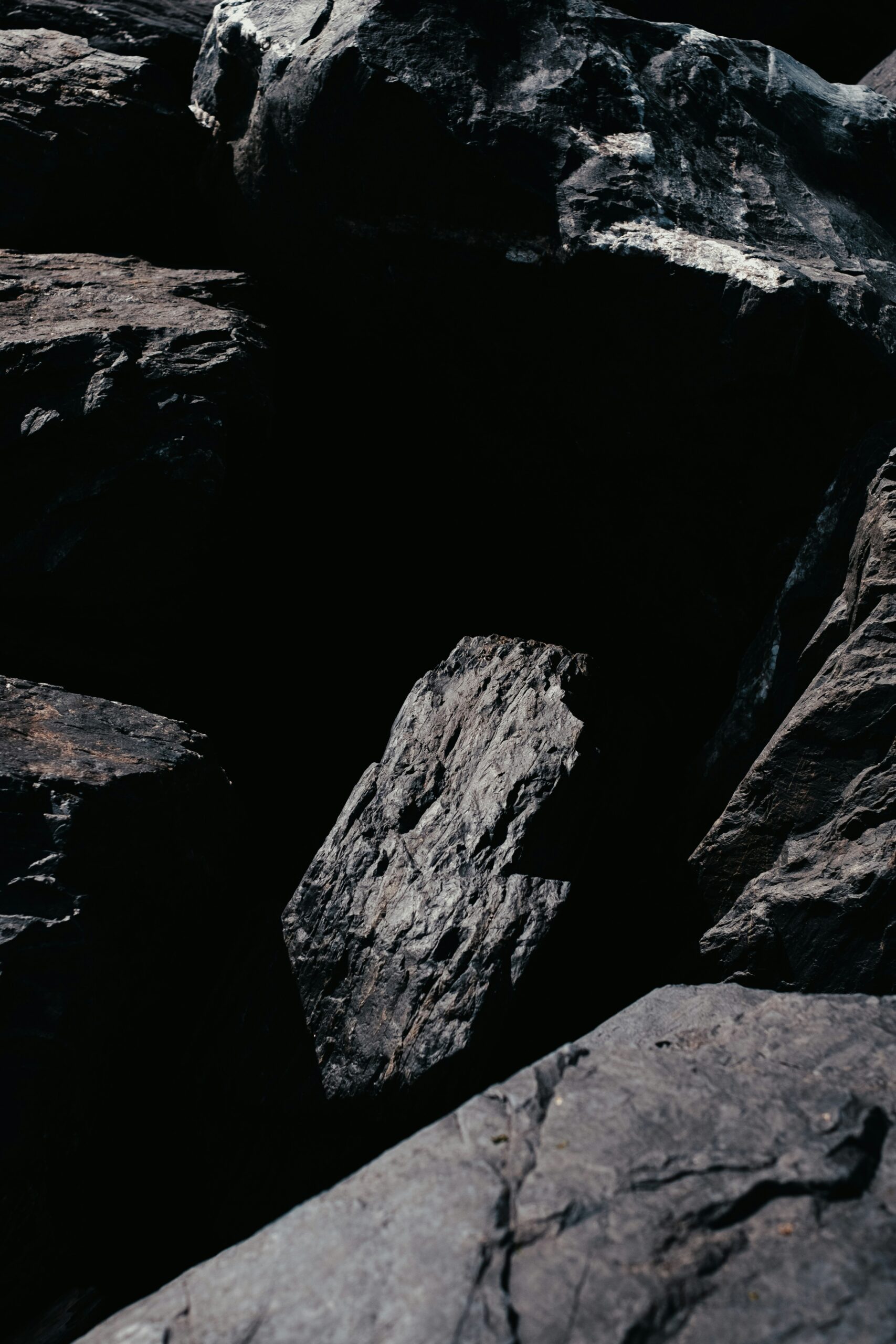
Pallasites are among the rarest and most spectacular meteorites. They represent less than 1% of all known meteorites. Their distinctive feature: olivine crystals (the mineral whose gem variety is peridot) embedded in an iron-nickel matrix, creating a natural stained-glass effect when viewed in transmitted light.
Pallasites form at the boundary between the metallic core and the silicate mantle of differentiated asteroids — a transition zone where molten metal meets rock. Esquel, found in Argentina in 1951, and Fukang, discovered in China in 2000, are among the most famous. The olivine crystals they contain are dated to around 4.5 billion years old — the very age of the solar system. To hold a pallasite is to hold a fragment of the birth of our cosmic neighbourhood.
The name "Nebula" refers to nebulae — those vast clouds of gas and dust where stars are born — whose translucent colors echo the light passing through olivine crystals.